Week 01 | Appendix | SKILL-001b
H-ROS: Hardware Robot Operating System
Published: March 26, 2026 | Author: Smartotics Learning Journey | Reading Time: 6 min
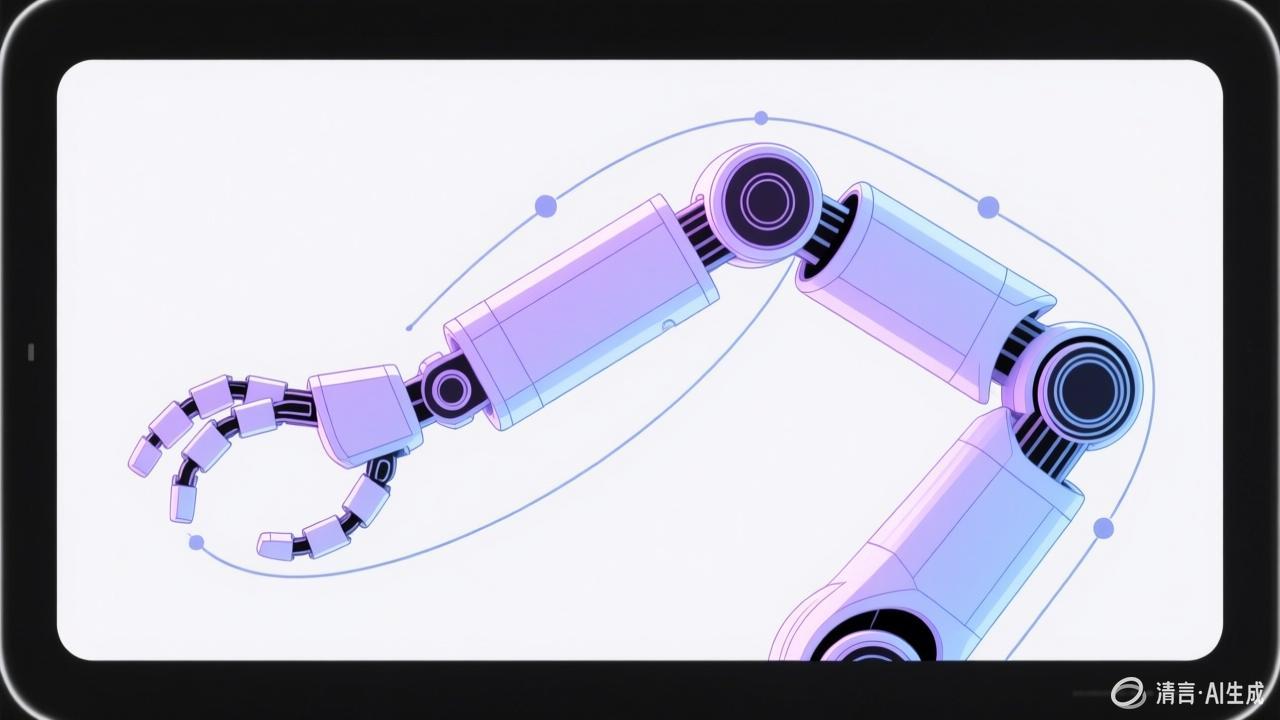
Figure 1: H-ROS enables modular robot design with standardized hardware interfaces
Quick Summary
H-ROS (Hardware Robot Operating System) is an open-source framework that standardizes hardware interfaces in robotics, enabling true modular robot design. Just as ROS2 standardizes software communication, H-ROS standardizes physical connections, sensor integration, and actuator control. This enables robot components from different manufacturers to work together seamlessly, accelerating innovation and reducing development costs.
What is H-ROS?
H-ROS was developed by the Robot Equipment Company (Erle Robotics) and later maintained as an open-source project. It addresses a fundamental problem in robotics:
The Modular Robot Problem
Every robot manufacturer uses proprietary interfaces. Components that work with one robot often cannot be used with another. This fragmentation:
- Increases development time and costs
- Limits component choice for robot designers
- Prevents ecosystem growth
- Forces “reinventing the wheel” for each new project
H-ROS Solution
H-ROS provides a standardized abstraction layer for robot hardware:
- Unified communication: Common protocol for all robot components
- Hot-swapping: Replace components without reprogramming
- Vendor independence: Mix components from different manufacturers
- Open standard: Anyone can implement and contribute
“H-ROS is to robot hardware what USB is to computers—plug and play across vendors.”
— Erle Robotics Team
Architecture & Components
H-ROS System Architecture
H-ROS divides robot hardware into standardized modules:
| Layer | Component | Function |
|---|---|---|
| Application | User Code | High-level robot behaviors |
| Middleware | ROS2 | Software communication |
| Abstraction | H-ROS API | Hardware independence |
| Physical | H-ROS Modules | Sensors, actuators, compute |
H-ROS Module Categories
1. Actuator Modules
- Servo actuators: Standardized motor control interface
- Linear actuators: For robots requiring linear motion
- Custom actuators: Easy integration via H-ROS API
2. Sensor Modules
- Cameras: Plug-and-play vision systems
- LiDAR: Standard scanning interface
- IMU: Inertial measurement units
- Distance sensors: Ultrasonic, ToF, infrared
- Force/torque sensors: For contact detection
3. Computing Modules
- SBC integration: Raspberry Pi, Jetson, etc.
- Motor controllers: Centralized or distributed
- Power management: Battery monitoring, distribution
4. Physical Interface
- EtherCat: High-speed communication (100 Mbps+)
- Power distribution: Standard voltage rails
- Mechanical mounting: Standardized dimensions
Benefits of Modular Design with H-ROS
1. Faster Development
Build robots faster with off-the-shelf modules
2. Flexibility
Swap components for different applications
3. Cost Reduction
No custom hardware for each project
4. Ecosystem Growth
Multiple vendors benefit everyone
Real-World Benefits
For Robot Manufacturers
- Focus on differentiation: Build unique capabilities instead of commodity components
- Reduced time-to-market: Use H-ROS certified components
- Quality assurance: H-ROS compliance means compatibility tested
For Component Vendors
- Larger market: H-ROS modules work with any compliant robot
- Standard compliance: One implementation reaches many customers
- Ecosystem participation: Be part of a growing standard
For Researchers & Hobbyists
- Academic focus: Work on algorithms, not hardware integration
- Reproducibility: Share and replicate results easily
- Learning curve: One standard to learn, apply everywhere
H-ROS vs ROS2: Complementary Standards
Many people confuse H-ROS with ROS2. They are complementary, not competing:
| Aspect | ROS2 | H-ROS |
|---|---|---|
| Type | Software middleware | Hardware abstraction |
| Layer | Application ↔ Hardware | Hardware ↔ Physical |
| Focus | Software communication | Hardware interfaces |
| Standardizes | Topics, services, actions | Motors, sensors, compute |
| Adoption | Industry standard | Growing adoption |
| Together? | Yes! ROS2 + H-ROS = Complete robot stack |
The Complete Robot Stack
Modern robots benefit from both standards working together:
- Physical hardware: Actuators, sensors (H-ROS compliant)
- H-ROS abstraction: Unified hardware interface
- ROS2 middleware: Software communication
- Application code: Navigation, manipulation, AI
Ecosystem & Adoption
H-ROS Certified Components
Several manufacturers have adopted H-ROS:
| Vendor | Product | Category |
|---|---|---|
| Erle Robotics | Erle-Brain | Computing |
| Trossen Robotics | Interbotix arms | Actuators |
| Robotis | XM series motors | Actuators |
| Intel | RealSense sensors | Sensors |
Projects Using H-ROS
- HERO (Humanoid Exploration Robot): Modular humanoid research platform
- SMART robot arm: Educational robotic arm with swappable end-effectors
- Guardian: Security robot with sensor modules
- Academic research: Universities worldwide use H-ROS for robotics courses
Getting Started with H-ROS
For Beginners
- Learn ROS2 first: Understand software middleware basics
- Get H-ROS hardware: Start with a basic kit (~$200)
- Try the examples: H-ROS documentation has tutorials
- Build incrementally: Add modules one at a time
Resources
- Official Website: h-ros.com (archived)
- GitHub: github.com/h-ros
- Documentation: H-ROS wiki pages
- Community: ROS discourse, Reddit r/robotics
Future of Modular Robotics
H-ROS represents a vision for the future of robotics:
The USB Moment for Robots
Just as USB standardized computer peripherals:
- Before USB: Each device needed proprietary controllers
- After USB: Any device works with any computer
- Robotics today: Each robot needs custom integration
- Robotics tomorrow: H-ROS enables plug-and-play hardware
Challenges Ahead
| Challenge | Current Status | Outlook |
|---|---|---|
| Adoption | Growing but limited | Improving with open-source momentum |
| Performance | EtherCat is fast enough | Future interfaces will be faster |
| Standardization | De facto standard | Could become official IEEE/ISO standard |
| Competition | Proprietary systems still dominant | Modular trend is growing |
Related Standards Emerging
- IEC 61404: Industrial robot interface standards
- ROS2 Hardware Interface: Software-level hardware abstraction
- ModuleMark: Certification program for H-ROS compliance
- Open Robot Initiative: Industry consortium for modular robotics
“The robotics industry will follow the same path as computing—from proprietary to standardized, from closed to open. H-ROS is at the forefront of this shift.”
Key Takeaways
- H-ROS standardizes hardware interfaces in robotics, enabling true modular design—just as USB standardized computer peripherals.
- Complementary to ROS2: ROS2 handles software communication; H-ROS handles hardware abstraction. Together they form a complete robot stack.
- Benefits all stakeholders: Manufacturers focus on differentiation; vendors reach larger markets; researchers work faster.
- Growing ecosystem: Several vendors and academic institutions have adopted H-ROS; community is active.
- Future vision: H-ROS represents the “USB moment” for robotics—standardized, plug-and-play hardware.
- Learning path: Master ROS2 first, then explore H-ROS for hardware-level modularity.
Disclaimer
For informational purposes only. This article does not constitute investment, financial, or business advice. H-ROS is an open-source project; some information may be outdated as the project evolves.
Image Credits: All images are AI-generated illustrations for blog purposes only. © 2026 Smartotics Learning Journey.